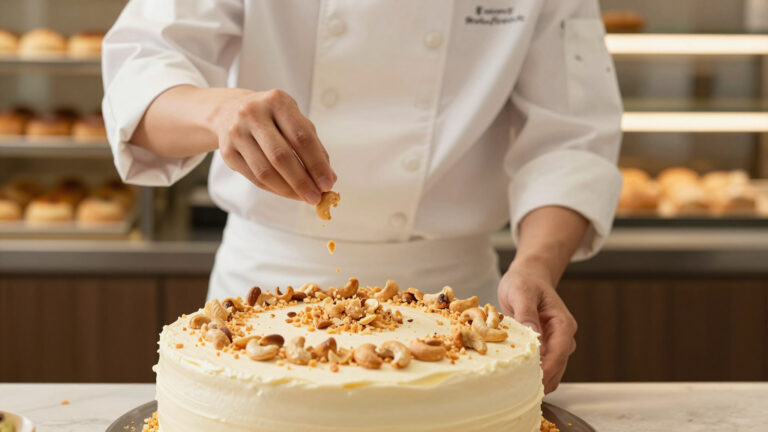
How Bakery Manufacturers Use Cashew Pieces and Granules
Application-focused sizing for toppings, fillings, confectionery systems, and cereal mixes.
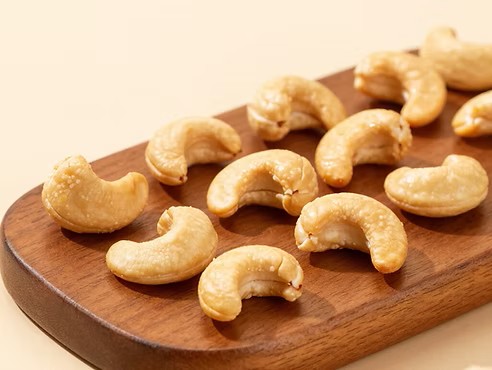
As consumer preferences shift towards healthier, high-protein snack options, the demand for premium roasted cashews has surged. For high-end snack brands, visual consistency, robust flavor, and crunch uniformity are paramount. Selecting the right raw material is the first and most crucial step in the roasting process.
Larger grades like W180 (Jumbo) and W210 (Large) command a premium not just for their impressive appearance, but for how they behave during the roasting process:
While W180 and W210 are reserved for ultra-premium lines, the W320 grade remains the workhorse of the roasted snack industry. Its uniform size makes it highly suitable for continuous roasting belts, ensuring that every kernel is roasted to the exact same specification. It strikes the perfect balance between visual appeal in a retail pouch and cost-effectiveness for the manufacturer.
Regardless of the grade chosen, snack manufacturers must insist on strict Quality Control before roasting. This includes ensuring moisture levels are strictly below 5%, defect rates are within AFI standards, and the kernels have been optically sorted to remove any scarred or discolored pieces that could compromise the final roasted product.
Application-focused sizing for toppings, fillings, confectionery systems, and cereal mixes.
Reliable whole kernels for premium roasted, flavored, and retail snack applications.
Choosing between small pieces or granules for industrial toppings.
Consistent cashew pieces and granules for bakery, chocolate, and dessert applications.