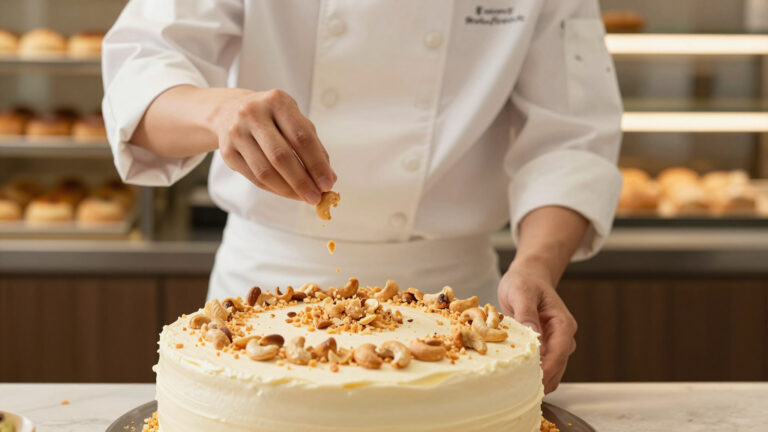
Các nhà sản xuất bánh mì sử dụng hạt điều vụn và hạt điều như thế nào?
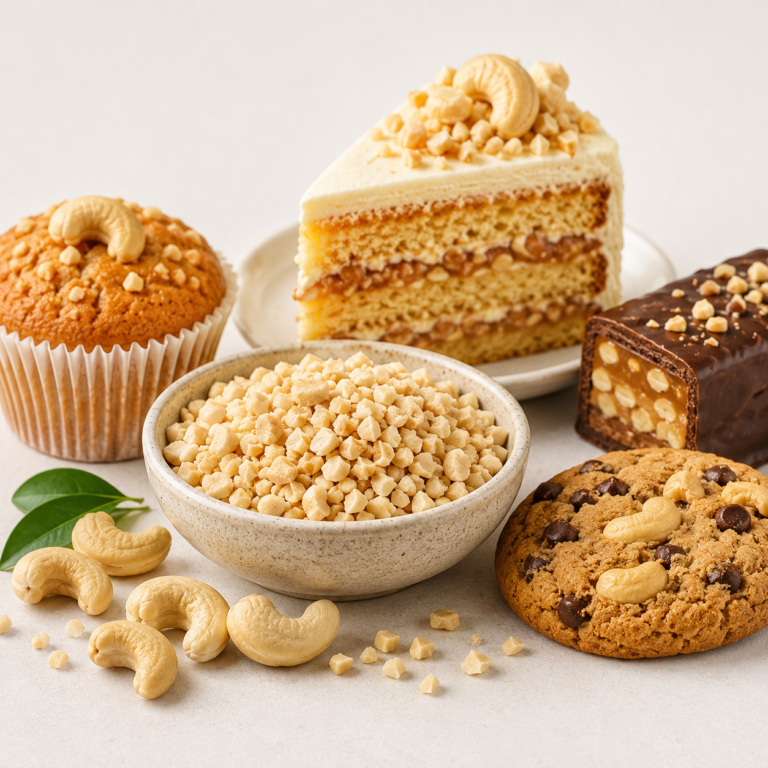
Định cỡ chuyên dụng cho các loại topping, nhân bánh, hệ thống bánh kẹo và hỗn hợp ngũ cốc.
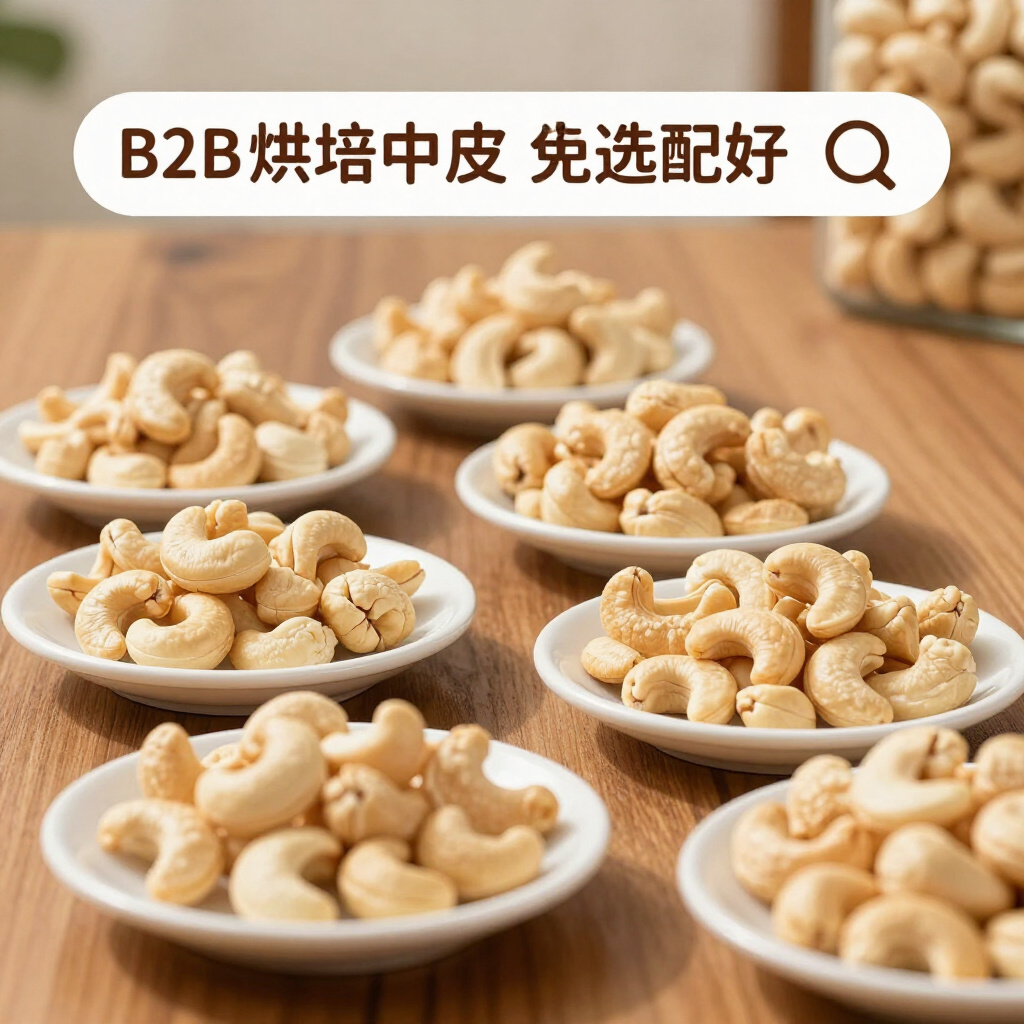
Selecting the correct cashew piece size is a technical decision that directly impacts processing efficiency and product quality. Selecting the wrong grade can lead to processing line clogs, uneven baking, or poor product aesthetics. This guide helps food scientists and procurement managers choose between sliced, diced, and granulated cashews for automated bakery lines.
Industrial cashew pieces are graded not just by color (White vs. Scorched) but strictly by sieve size:
When incorporating cashews into baked goods, moisture and oil dynamics are crucial. Larger pieces (LWP) retain their crunch better during baking but may sink in thin batters. Smaller granules distribute flavor evenly and absorb surrounding moisture, which can be beneficial for binding but may soften the nut over a long shelf life. Choosing the right grade ensures optimal texture throughout the product’s lifespan.
Định cỡ chuyên dụng cho các loại topping, nhân bánh, hệ thống bánh kẹo và hỗn hợp ngũ cốc.
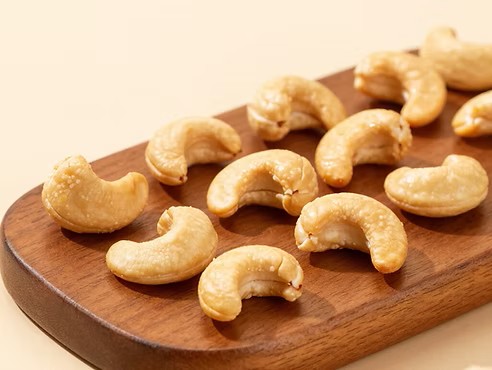
Ảnh hưởng của kích thước hạt nguyên vẹn đến độ đồng đều khi rang và hình thức bán lẻ.
Hạt điều nguyên miếng và dạng hạt đồng nhất, thích hợp cho các sản phẩm bánh ngọt, sôcôla và tráng miệng.
Hạt nguyên chất chất lượng cao, thích hợp cho các ứng dụng rang, tẩm gia vị và làm đồ ăn nhẹ bán lẻ cao cấp.